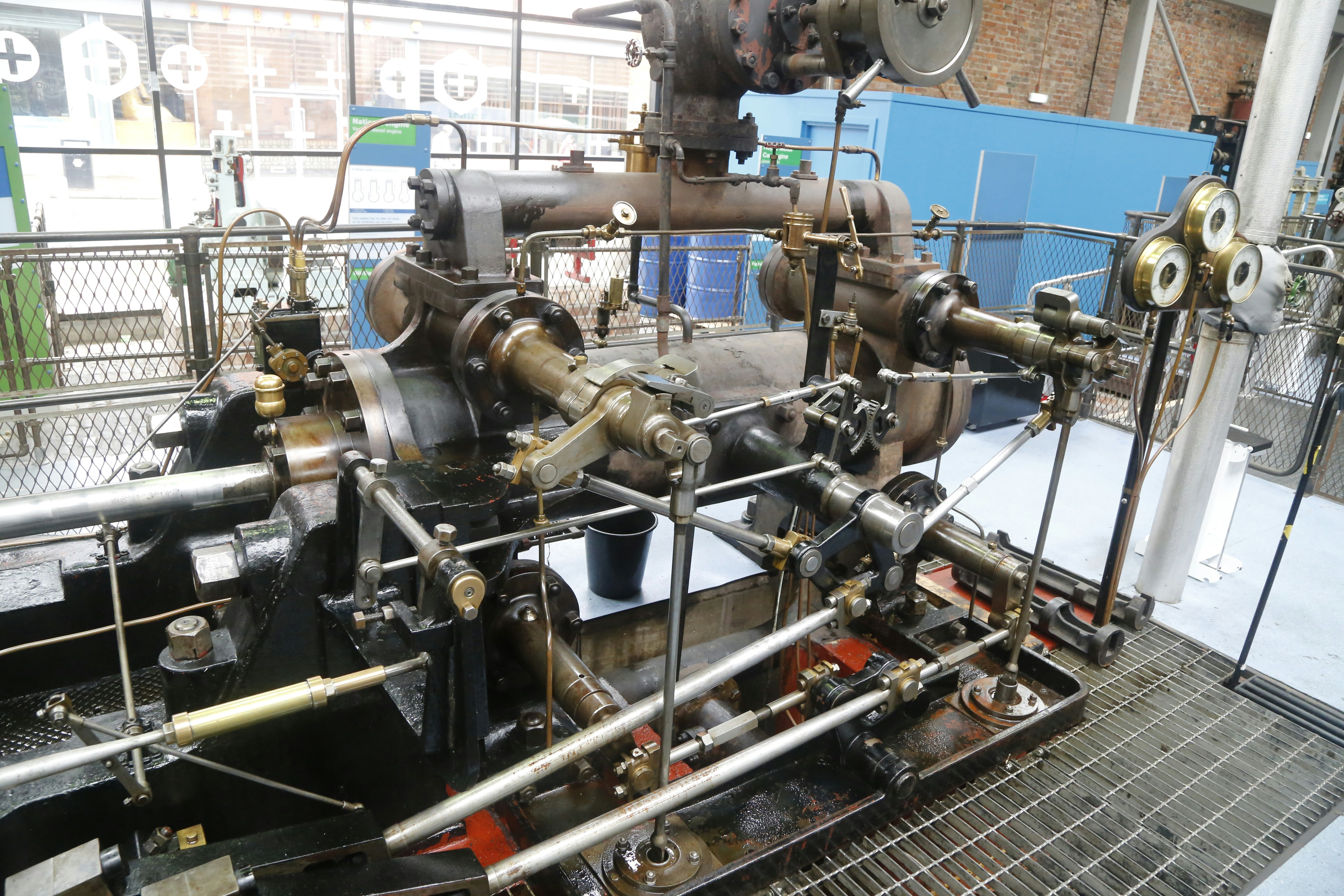
The Legacy of Isambard Kingdom Brunel
Isambard Kingdom Brunel is widely recognized as one of the most remarkable engineers of the 19th century, with a legacy that profoundly shaped the landscape of modern engineering and architecture. His innovative approach and daring designs set a benchmark for future infrastructure projects, making significant contributions that transformed public transportation and civil engineering practices in Britain.
Brunel’s most notable projects include the Great Western Railway, the Thames Tunnel, and the iconic Clifton Suspension Bridge. The Great Western Railway, constructed between 1833 and 1841, was revolutionary; it introduced steam-powered locomotion on an extensive scale, facilitating faster travel and connecting cities, which in turn stimulated economic growth. The engineering feats involved in this railway included the creation of tall viaducts and long tunnels, showcasing Brunel’s exceptional prowess in overhauling contemporary railway construction methods.
The Thames Tunnel, completed in 1843, marked the first underwater tunnel built for a rail system, demonstrating Brunel’s fearless ambition and commitment to pushing engineering boundaries. His designs for the Clifton Suspension Bridge, which span the picturesque Avon Gorge, are renowned for their elegance and technical skill, combining functionality with aesthetic appeal. This bridge remains a testament to Brunel’s innovative spirit and is celebrated as an excellent example of 19th-century engineering.
Brunel’s work did not merely halt at construction; it influenced a generation of engineers who followed in his footsteps, cultivating a culture of innovation within the profession. His pioneering techniques in the use of iron and steel initiated a shift towards new materials in construction, leading to the establishment of modern engineering practices. The principles he implemented continue to govern current engineering methodologies, ensuring that his legacy persists in contemporary structures worldwide.
Brunel’s Major Engineering Achievements
Isambard Kingdom Brunel is renowned for his groundbreaking contributions to engineering, which fundamentally transformed Britain’s infrastructure and transportation systems. One of his most significant projects is the Thames Tunnel, which he began working on in 1825. This ambitious undertaking was the first vehicular tunnel beneath a river and showcased Brunel’s innovative approach to engineering. The use of the tunneling shield method enabled the construction to proceed under challenging conditions, laying the groundwork for future underground constructions.
Another monumental achievement is the Great Western Railway, completed in 1841. This railway was pivotal in connecting London to the West Country and Wales, drastically reducing travel time and facilitating commerce. Brunel’s design featured broad gauge tracks, which allowed for faster trains and a more comfortable ride, though it was later standardized to narrow gauge. The railways themselves, characterized by expansive viaducts and well-engineered bridges, are a testament to Brunel’s engineering prowess.
Perhaps one of his most iconic structures is the Clifton Suspension Bridge, completed in 1864. Spanning the Avon Gorge in Bristol, this remarkable bridge exemplifies Brunel’s unique vision and advances in suspension bridge technology. The bridge’s design was both aesthetically pleasing and functional, combining artistry with engineering integrity. It highlights Brunel’s ability to blend practical engineering considerations with the overall visual impact of public structures.
These engineering feats not only demonstrate Brunel’s technical excellence but also significantly influenced urban development and transportation, marking a transformative era in industrial Britain. His innovative spirit and commitment to progress have left a lasting legacy that continues to inspire engineers and architects worldwide.
Innovations and Techniques Introduced by Brunel
Isambard Kingdom Brunel stands as a pivotal figure in the history of engineering, particularly during the era of the Industrial Revolution. His innovative spirit was reflected in various groundbreaking techniques and materials that he employed, fundamentally altering the landscape of transportation infrastructure in Britain. One of his most notable contributions was the introduction of the use of iron in construction. Rather than relying solely on traditional materials such as wood or stone, Brunel harnessed the strength and flexibility of iron, allowing for the creation of larger and more durable structures.
An exemplary manifestation of this was the Clifton Suspension Bridge, where Brunel utilized iron chains to support its span. This engineering marvel illustrated not only the potential of iron as a building material but also showcased Brunel’s ability to combine functional needs with aesthetic considerations. Furthermore, Brunel pioneered the use of prefabrication techniques; by constructing components off-site and then assembling them on location, he significantly reduced construction time and ensured greater precision in engineering. This method had lasting implications on both the speed and efficiency of railway development.
Brunel also revolutionized railway design with the introduction of broad gauge tracks. By utilizing a wider track spacing, he was able to enhance stability and allow for the operation of larger, faster trains. This innovation led to a marked improvement in transport efficiency, addressing the growing demands of a rapidly industrializing society. His techniques were not merely about utilitarian function, as seen in the design of the Great Western Railway, but also encompassed a deeper understanding of engineering principles and the environment. The implications of his work extended beyond his lifetime, laying the groundwork for modern engineering practices.
Brunel’s Influence on Modern Engineering
Isambard Kingdom Brunel, a pioneering civil engineer of the 19th century, undoubtedly left an indelible mark on modern engineering practices that continues to resonate today. His innovative approach to design and construction not only transformed the Victorian landscape but also laid foundational principles that contemporary engineers still adhere to. Brunel’s work on railways, bridges, and ships showcased an exceptional understanding of both functionality and aesthetics, which remains a benchmark in modern engineering projects.
One of Brunel’s key contributions was his emphasis on bold, ambitious designs that prioritized efficiency and utility. His projects, such as the Great Western Railway and the Thames Tunnel, exemplified a willingness to push boundaries, inspiring current engineers to embrace creativity alongside technical precision. The integration of complex engineering solutions with practical design is a hallmark of Brunel’s methodology that modern engineers aspire to replicate.
Furthermore, Brunel’s focus on materials science and engineering innovations has profoundly influenced how current projects are executed. The use of iron and later, steel, in his constructions paved the way for advancements in material technology, leading to safer and more durable structures. Engineers today continually reference Brunel’s work when assessing the potential of new materials and construction techniques in high-profile projects.
Moreover, Brunel’s interdisciplinary collaboration exemplifies the importance of teamwork, promoting a culture of cooperation amongst various engineering disciplines. This collaborative spirit is essential in addressing complex modern challenges, such as sustainable design and infrastructure resilience against climate change. As engineers strive to solve contemporary issues, they draw inspiration from Brunel’s holistic approach to engineering design.
In summary, Isambard Kingdom Brunel’s legacy continues to influence today’s engineering landscape, inspiring future generations to merge innovative design with practical application. His vision and commitment to excellence serve as a guiding light for contemporary engineers endeavoring to build a better future.
NOTE: content crafted with advanced digital assistance