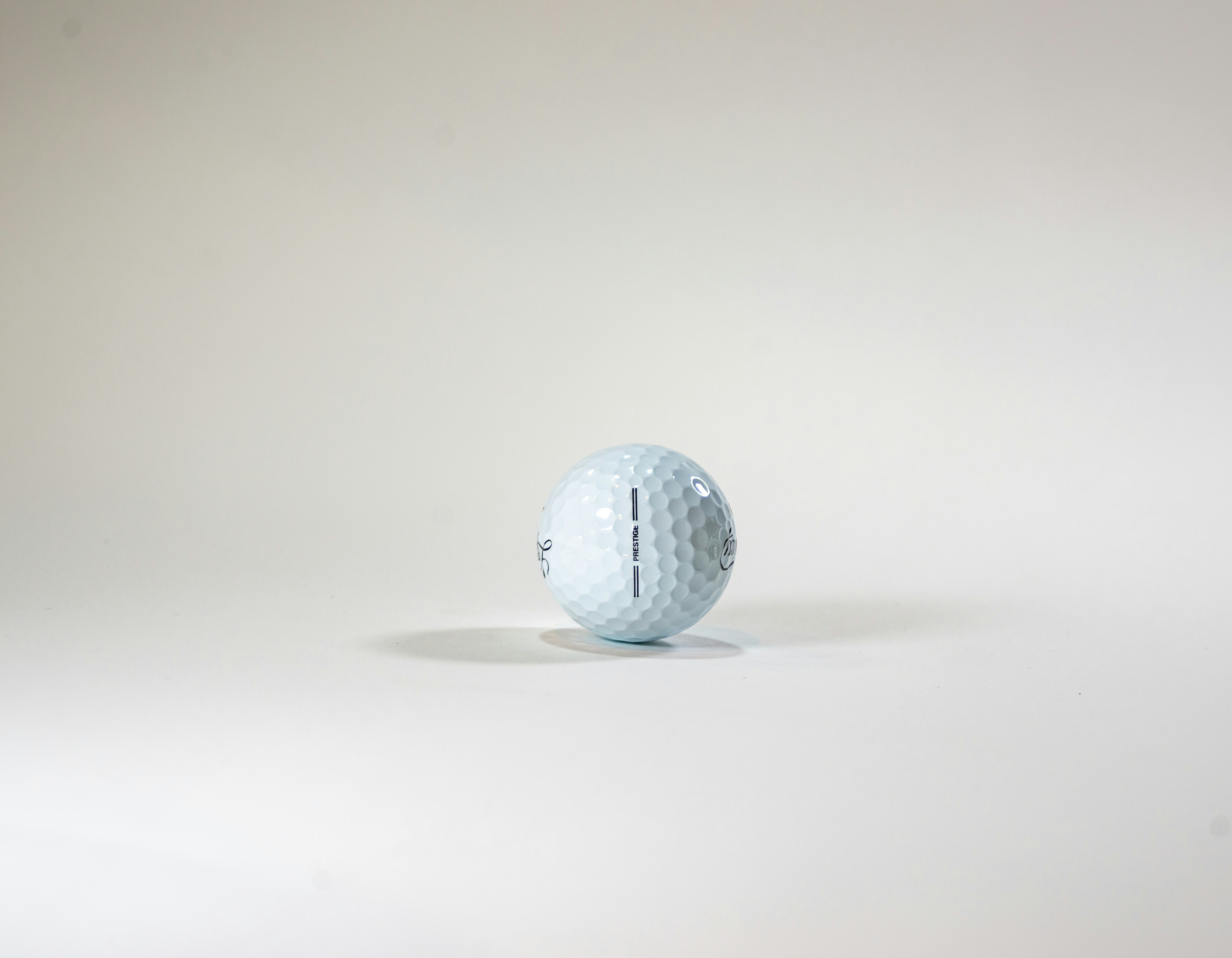
Introduction to Golf Ball Aerodynamics
Aerodynamics plays a significant role in the performance of golf balls, influencing how they behave once struck by a club. Understanding the principles of aerodynamics is crucial for golfers who wish to improve their game. At its core, aerodynamics refers to how air interacts with moving objects, and in the case of a golf ball, it can be defined by two primary forces: lift and drag. These forces play a pivotal role in dictating how far and accurately a golf ball can travel.
When a golf ball is hit, it generates lift, which enables it to rise in the air and cover greater distances. Lift is created primarily due to the ball’s spin and the specific design elements, such as dimples, on its surface. The dimples serve to modify the air flow around the ball, resulting in reduced drag and enhanced lift. A well-designed golf ball can therefore capitalize on these aerodynamic effects, allowing players to achieve optimal launch conditions.
On the flip side, drag is the resistance experienced by the ball as it moves through the air. It can be influenced not only by speed and angle but also by the ball’s surface characteristics. The interplay between lift and drag is critical; while lift is essential for achieving distance, minimizing drag is equally important to maintain speed and ensure stability during flight. Golf ball designers meticulously study these aerodynamic principles to create products that maximize performance for varying playing conditions.
As golfers gain insights into the aerodynamics of their equipment, they can make informed decisions about the type of golf balls they select. The subsequent sections of this blog will delve deeper into how specific design features, such as dimples, enhance the flight characteristics of golf balls and ultimately contribute to improved performance on the course.
The Role of Dimples in Golf Ball Design
The design of a golf ball is crucial for its performance, and dimples play a pivotal role in this intricate equation. Contrary to popular belief, the dimples on a golf ball are not mere decorative elements; instead, they are engineered features specifically designed to enhance aerodynamics. Their primary function is to manipulate airflow around the ball, allowing for improved distance and accuracy during play.
When a golf ball is struck, it moves through the air, creating a boundary layer of airflow along its surface. The dimples on the ball help in creating a turbulent boundary layer, which reduces drag and allows the ball to cut through the air more efficiently. This turbulence is integral, as it helps the air flow smoothly around the ball, preventing separation from the surface. This aerodynamic benefit leads to an extended flight path, allowing the golfer to achieve greater distances.
The effectiveness of the dimples is influenced not only by their presence but also by their quantity and depth. Research in aerodynamics suggests that an optimal number of dimples, generally ranging from 300 to 500, can significantly enhance performance. Furthermore, the depth of these dimples is crucial; deeper dimples can create more turbulence but may also increase drag if excessively deep. Therefore, a careful balance must be struck to achieve optimal performance.
Manufacturers invest considerable effort into studying various dimple patterns to maximize lift and minimize drag. The spherical shape of the golf ball combined with the strategic placement of dimples allows it to maintain stability in the air. This intricate design ultimately transforms the golf ball into a high-performing piece of equipment that enhances the overall golfing experience.
Drag Reduction and Distance Maximization
The physics of drag reduction fundamentally alters the trajectory and distance a golf ball can achieve. When a golf ball is struck, it travels through the air, creating a flow of air around it. This flow can either be laminar or turbulent. Laminar flow occurs when the air glides smoothly around the object, resulting in a relatively stable but thick boundary layer. In contrast, turbulent flow occurs when the air flow becomes chaotic, allowing for a thinner boundary layer. The introduction of dimples on the surface of a golf ball facilitates this transition from laminar to turbulent flow.
Dimples create a turbulent boundary layer on the ball’s surface. This transition is crucial because a turbulent boundary layer has a greater ability to adhere to the ball’s surface as it travels through the air. As a result, the airflow separates later from the ball’s surface, reducing the wake size behind it. A smaller wake translates to lower aerodynamic drag, allowing the ball to maintain higher speeds over longer distances. Research has shown that a dimpled golf ball can travel nearly twice the distance of a smooth ball, a stark indication of how significant the design of the golf ball is in determining its performance.
The importance of minimizing drag extends beyond just golf balls; it applies broadly to the design and performance of various sports equipment. In golf, optimizing the aerodynamics of a golf ball through dimple configuration is essential to maximize distance without compromising stability and control. As players seek every possible advantage, understanding these principles helps manufacturers innovate better golf balls, ultimately enhancing the game for amateurs and professionals alike. By focusing on drag reduction and the related advancements in aerodynamics, players can achieve higher degrees of performance, making the study of golf ball design a crucial aspect of the sport.
Implications for Golfers and Future Innovations
The aerodynamics of golf balls play a pivotal role in enhancing a golfer’s performance on the course. An understanding of how dimples influence lift and drag can significantly aid players in optimizing their swings, thereby improving distance and accuracy. By being mindful of these aerodynamic principles, golfers can tailor their techniques to take advantage of the ball’s flight characteristics, ultimately affecting their overall game. For instance, a golfer looking to achieve a controlled fade or draw may adjust their swing angle and speed based on their knowledge of how dimples interact with the air around the ball.
Moreover, advancements in golf ball design are increasingly focused on aerodynamics. As technology evolves, manufacturers are exploring new materials and configurations that promise to optimize performance further. Innovations such as thermoplastic elastomers and hybrid covers are being investigated for their ability to modify how golf balls behave in flight. These materials could enhance the ball’s spin and trajectory manipulation, providing players with greater control over their shots.
The potential for future innovations in golf ball design fuels excitement within the golfing community. As researchers and engineers continuously look for ways to enhance performance by refining aerodynamic properties, golfers may soon see products that capitalize on ground-breaking studies in fluid dynamics. This ongoing evolution emphasizes the importance of staying abreast of developments in equipment technology. Golfers who adapt to these innovations will likely find themselves at a competitive advantage.
Understanding the intricacies of golf ball aerodynamics not only influences how players conduct their swings but also shapes the future of the sport. With every improvement in design, players can expect advancements that will challenge traditional playing styles and elevate the game to new heights.
NOTE: content crafted with advanced digital assistance